Intermittent Fasting
Does Apple Cider Vinegar Break a Fast?
Does apple cider vinegar break a fast? A tablespoon has about 3 calories, so no — and it may even help blunt the blood-sugar spike when you break your fast.
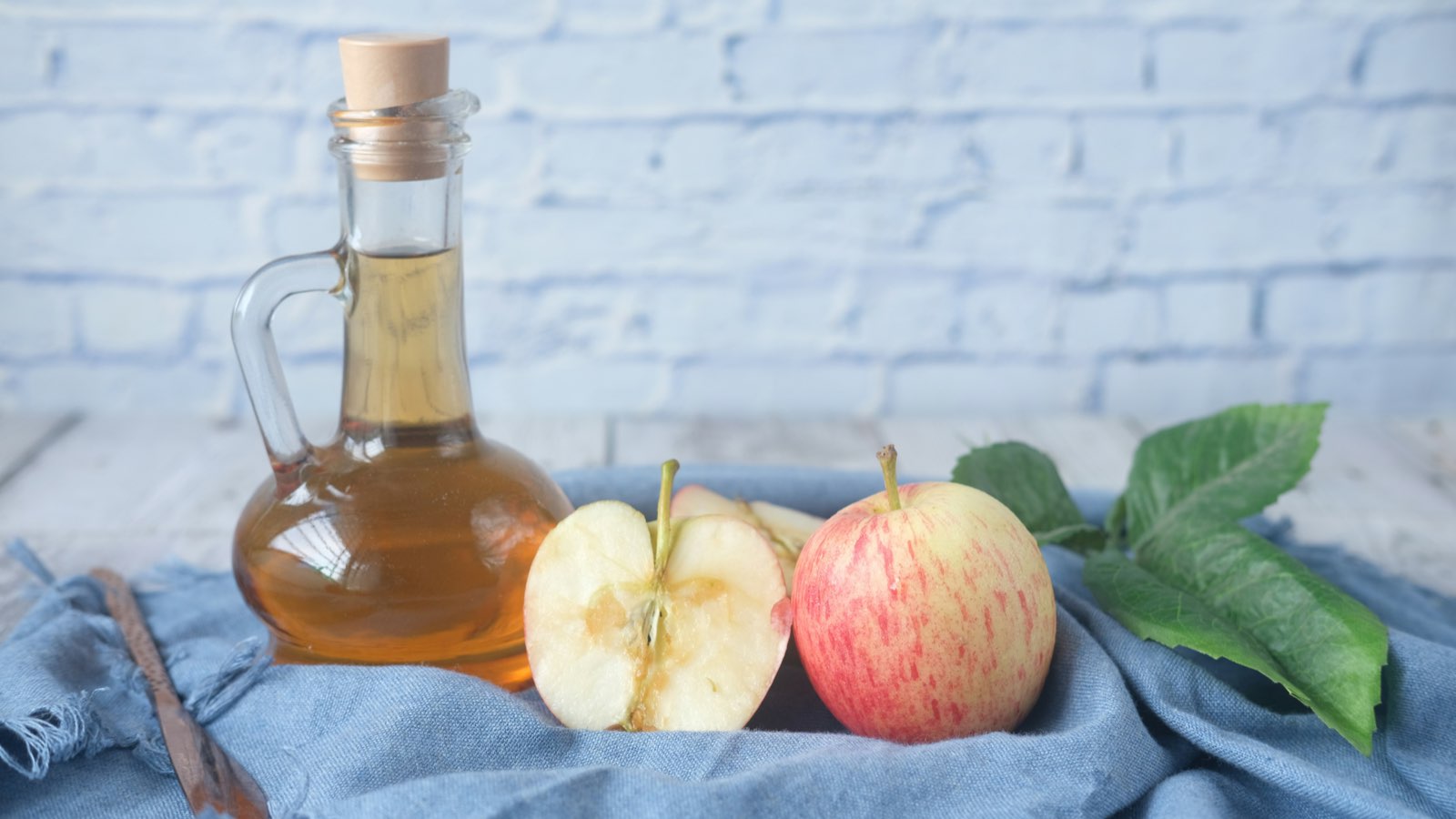
Photo by Towfiqu barbhuiya on Unsplash
Apple cider vinegar does not break a fast. One tablespoon contains roughly 3 calories and almost no carbohydrate — far too little to raise insulin or interrupt fat-burning. It's one of the few things you can add to water during a fasting window without a real trade-off.
The short version
One to two tablespoons diluted in a large glass of water is the usual dose, and it sits comfortably inside any sensible fasting threshold. Unusually for a fasting question, the interesting part isn't whether it's allowed — it's that vinegar taken shortly before a meal has a small but real effect on blood sugar, which is the one genuine argument for bothering with it at all. The things that break your fast are the products built around it: gummies, juice blends and anything with honey.
Why it doesn't break a fast
A fast breaks when intake is high enough to raise insulin and switch you back to burning glucose. Apple cider vinegar is essentially water plus acetic acid. A tablespoon carries about 3 calories and under a gram of carbohydrate.
That's below the threshold anyone considers meaningful — comparable to the trace calories in black coffee. Your fasted state continues undisturbed.
For the full drinks picture, see Does Coffee Break a Fast?
The interesting part: it may work with fasting
Most "can I have this" answers end at "it won't hurt". ACV is one of the few where there's a plausible benefit.
Blunting the glucose spike. Acetic acid appears to slow gastric emptying and improve insulin sensitivity around a meal. Several studies show a smaller blood-sugar rise when vinegar is taken shortly before eating carbohydrate. Practically, that's most useful at the moment you break your fast — exactly when a big carbohydrate hit tends to produce the crash described in our beginner's guide.
Mild appetite effects. Some people find diluted vinegar takes the edge off hunger. The effect is small and not universal.
Keep expectations calibrated: these are modest, well-documented-but-unspectacular effects. ACV is not a fat-loss tool. It's a small lever that happens to be free.
How to take it without hurting yourself
Vinegar is acidic enough to damage tooth enamel and irritate the oesophagus. Two rules:
- Always dilute — 1–2 tablespoons in a large glass of water. Never drink it neat.
- Rinse with plain water afterwards, and don't brush your teeth immediately (brushing softened enamel makes it worse). A straw helps.
Stop if you get reflux or stomach discomfort. If you have gastroparesis, ulcers or chronic reflux, or take insulin or diuretics, check with your doctor first — vinegar can affect blood sugar and potassium.
What about ACV gummies and drinks?
This is where fasts get broken by accident.
| Form | Breaks a fast? | Why |
|---|---|---|
| ACV, diluted in water | No | ~3 calories |
| ACV capsules | No | Negligible calories |
| ACV gummies | Yes | Sugar and pectin — often 5–10g carbs per serving |
| ACV "drinks" with juice | Yes | Added fruit juice and sugar |
| ACV with honey | Yes | Honey is sugar |
Gummies are the common trap: marketed as a health supplement, formulated as a sweet. Check the label.
For other borderline items see Does Chewing Gum Break a Fast? and Do Electrolytes Break a Fast?
A sensible way to use it
If you want the blood-sugar benefit, the highest-value timing isn't during the fast at all — it's 10–15 minutes before your first meal. That's when the glucose-blunting effect has something to act on.
During the fasting window, treat it as an optional flavour change for your water, not a strategy.
Whether vinegar goes in your water matters far less than whether you finish the fast you started.
Medical note
Apple cider vinegar interacts with real medications — insulin and diuretics among them — and is not suitable for everyone. This article is general information, not medical advice. Talk to a qualified healthcare professional before adding it to a fasting routine, especially if you take prescription medication or have any history of reflux or gastric problems.
Common questions
How much apple cider vinegar can I drink while fasting?
One to two tablespoons diluted in a large glass of water. That's roughly 3–6 calories, well within fasting territory.
Does apple cider vinegar break autophagy?
At 3 calories per tablespoon it's unlikely to matter meaningfully. If you're doing an extended autophagy-focused fast and want to be strict, water only is the conservative choice.
Do ACV gummies break a fast?
Yes. Gummies contain sugar and other carbohydrates — typically 5–10g per serving — which is more than enough to end a fasted state.
When is the best time to take apple cider vinegar?
Shortly before a meal, if your aim is to blunt the blood-sugar spike. That means taking it as you break your fast rather than during it.
Does apple cider vinegar burn fat?
No. It may slightly reduce appetite and improve post-meal glucose response, but it doesn't burn fat directly. Any weight effect comes from eating less overall.