Intermittent Fasting
Do Electrolytes Break a Fast?
Do electrolytes break a fast? Plain sodium, potassium and magnesium contain no calories and won't break it — but most commercial electrolyte powders do. Here's what to check.
Pure electrolytes do not break a fast. Sodium, potassium and magnesium are minerals with no calories, so they can't raise insulin or stop fat-burning. The problem is the packaging: many commercial electrolyte drinks add sugar, dextrose or maltodextrin, and those do break it.
Key takeaways
- The minerals themselves are free: sodium, potassium and magnesium contain zero calories.
- Read the label, not the marketing: "sugar-free" on the front doesn't guarantee zero carbohydrate on the back.
- Electrolytes fix the classic symptoms: most fasting headaches, fatigue and cramps are electrolyte-related, not hunger.
- A pinch of salt in water does the job — you don't need a branded product.
Do electrolytes break intermittent fasting? No, provided they're unsweetened and calorie-free. Minerals have no metabolic energy.
Why do fasters need them at all? As insulin falls, your kidneys excrete more sodium and water. That loss is behind most of the headaches and lightheadedness people blame on hunger.
Why electrolytes don't break a fast
A fast breaks when you take in enough energy to raise insulin and switch your body back to burning glucose. Electrolytes are minerals — they carry an electrical charge and regulate fluid balance, nerve signalling and muscle contraction. They contain no calories at all, so there is nothing to metabolise.
Adding a quarter-teaspoon of salt to your water has precisely zero effect on your fasted state.
Why you probably need them
This is the part people miss. When you fast, insulin drops. Falling insulin tells your kidneys to excrete sodium, and water follows it out. That's why the scale drops fast in week one — and why you can feel dreadful by day three.
The classic early-fasting complaints are mostly electrolyte depletion, not lack of food:
- Headache
- Fatigue and brain fog
- Dizziness when standing
- Muscle cramps
- Heart palpitations
If you've been told "the first week is just hard", it often isn't — it's often under-replenished sodium.
What to take
You don't need a branded product. A simple approach during a fasting window:
| Electrolyte | Simple source | Rough daily target while fasting |
|---|---|---|
| Sodium | Sea salt or pink salt in water | 1–2 g (about ¼–½ tsp salt) |
| Potassium | Salt substitute (potassium chloride) | 1–2 g |
| Magnesium | Magnesium glycinate or citrate | 200–400 mg |
Start with sodium — it's the one you lose fastest and the one that resolves symptoms quickest. Add the others only if cramps or poor sleep persist.
What to avoid
This is where fasts get broken accidentally:
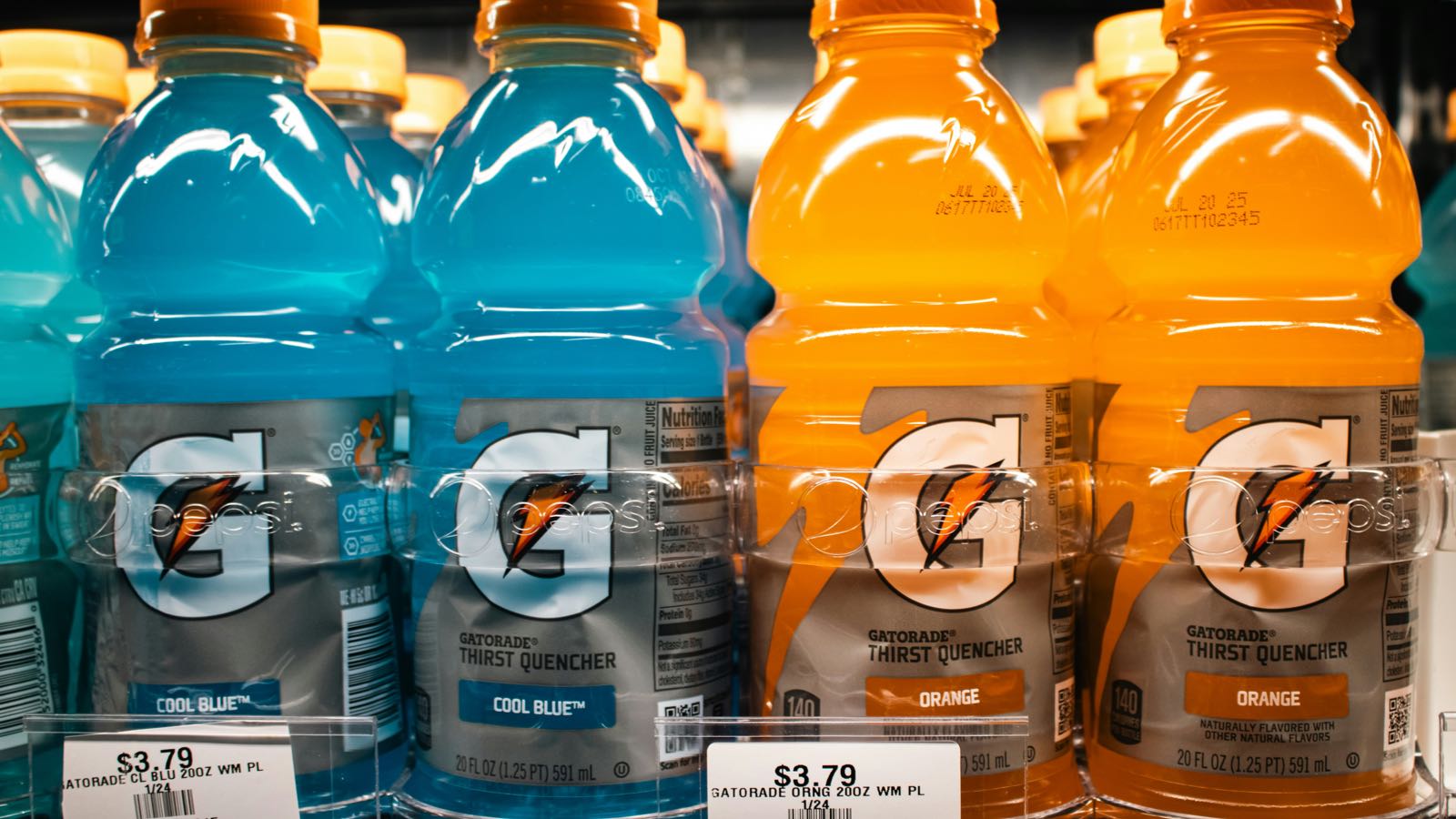
- Sports drinks (Gatorade, Powerade) — sugar by design.
- Powders with maltodextrin or dextrose — these are carbohydrates and will spike blood sugar, even in "zero sugar" formulations where they're used as bulking agents.
- Anything with BCAAs or amino acids — protein triggers an insulin response and breaks a fast.
- Flavoured tablets with glucose bases — check the ingredients, not the front of the pack.
The reliable rule: turn the packet over and look for anything ending in -ose or -dextrin. If it's there, save it for your eating window.
For the full drinks breakdown see Does Coffee Break a Fast?, and for diet drinks, Does Diet Soda Break a Fast?
A word of caution
Sodium is not universally safe to increase. If you have high blood pressure, kidney disease, or take medication affecting fluid balance or potassium — speak to your doctor before supplementing, particularly with potassium, which can be genuinely dangerous in excess for some people.
Tracking the fast, not the guesswork
Knowing electrolytes are fine is one thing. Knowing whether you're four hours or eleven hours in — without doing the arithmetic — is what actually keeps you consistent.
That's what Orbit Fast does: a clean iOS timer with live stage cues, so you always know where you are. Just fasting, nothing more.
New to fasting? Start with Intermittent Fasting for Beginners: How to Start 16:8, or see what's happening internally in The Stages of a Fast.
Disclaimer
Disclaimer: This article is for general information and is not medical advice. Electrolyte supplementation is not appropriate for everyone, particularly with high blood pressure, kidney conditions, or certain medications. Consult a qualified healthcare professional before starting or changing a fasting or supplementation regimen.
Frequently asked questions
Does salt break a fast?
No. Salt contains no calories and no carbohydrate, so it has no effect on insulin or your fasted state. It's one of the most useful things you can add to water while fasting.
Does LMNT or similar electrolyte powder break a fast?
Unflavoured, unsweetened formulations generally don't. Check the label for maltodextrin, dextrose, sugars or added amino acids — any of those will break it.
Do electrolytes break autophagy?
Pure minerals with no calories are generally considered safe even on autophagy-focused fasts, since there's no energy to process. Avoid any product with sweeteners or amino acids.
Why do I get headaches when fasting?
Most commonly, sodium loss and mild dehydration rather than hunger. A glass of water with a pinch of salt often resolves it within 20 minutes.
Can I take magnesium while fasting?
Yes. Magnesium glycinate or citrate contains no meaningful calories. Many people take it in the evening, since it can help with sleep and cramping.